Welcome to our village
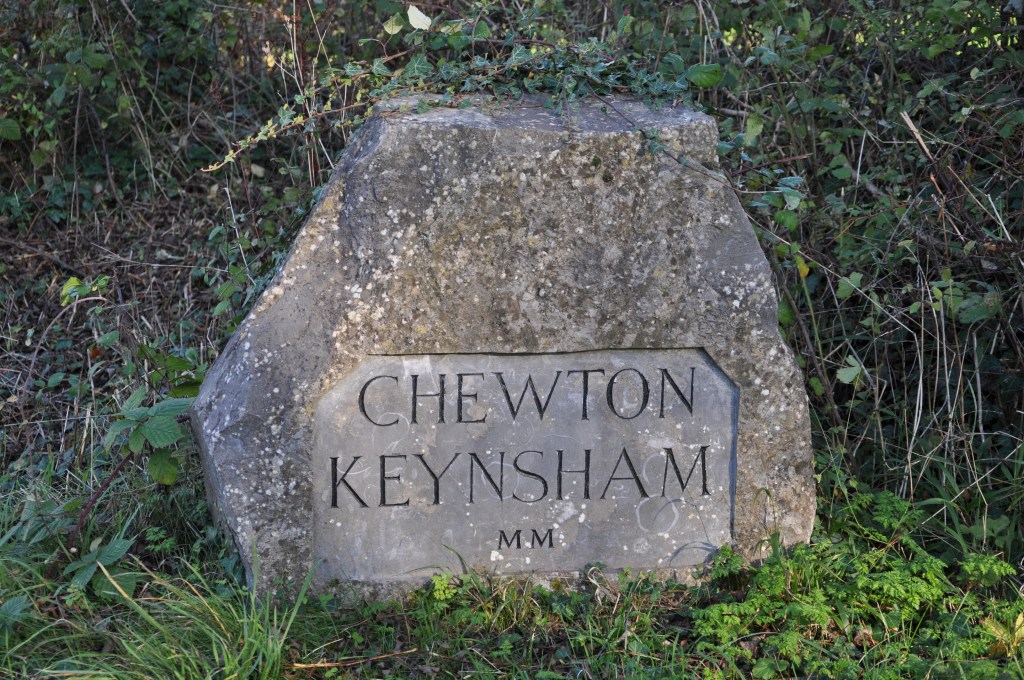
Chewton Keynsham nestles in the valley of the river Chew a mile or so south of Keynsham, which is equidistant between Bristol and Bath. The river Chew, a small tributary of the Avon, rises on the northern lopes of the Mendip Hills and along its short course of about 15 miles gives its name to 4 settlements: Chewton Mendip, Chew Stoke, Chew Magna and Chewton Keynsham. The little Chew had a number of mills along its course and although corn milling may have been the primary activity, many changed their uses over the years to paper-making, brass battery, steel and colour grinding.
Coal was worked in the fields here between 1820 and 1870 with shafts with engines replacing earlier bell pits. The coal was then transported via the river to Bristol and beyond.
The siting of the three farms that formed the origins of our village is typical of much of Somerset. Gently sloping land near the farm was well suited to grass and fodder crops for dairy herds, while wetter valley floors provided hay crops. Steeper land on valley sides provided drier grazing and the limestone plateaux or hills above were ideal for sheep and arable crops.
Our village has seen three stages of development:
- farms and cottages from the 18th century
- additional cottages built on agricultural wealth in the 19th century
- modern in-filling or conversion of redundant farm buildings
Today there are around thirty eight dwellings, traditionally of blue or white lias limestone with tiled rooves. Water from at least ten known wells and hillside springs has been replaced by a mains supply, outside privies into indoor bathrooms, and all houses have electricity and some form of central heating. Most local residents are owner-occupiers, few now work in village farms or industries, but instead commute to Bristol, Bath or London.
 Chewton Keynsham